
I recently visited Mongolia with a friend and one thing I knew I wanted to do was to see the rugged, untouched landscape of the Gobi desert. Given that the most of the country outside of Ulaanbaatar is rather underdeveloped, there is no public transport in remote areas. So I used Indy Guide to arrange a customised 6-day, 5-night tour with a local driver, and it ended up being the best decision ever. We hit every major highlight of South Gobi without feeling rushed, saw a range of wild animals everywhere and had authentic nomadic experiences in ger camps.
On this page
The Route
Starting from Ulaanbaatar, we looped through five key destinations: Tsagaan Suvarga, Yolyn Am, Khongoryn Els, Bayanzag, and Baga Gazriin Chuluu, before returning to UB. It is roughly 1,500–2,500 km in total, with long stretches on unpaved roads, so going in a private 4WD is highly recommended. Even then, it was extremely bumpy at times.
Day 1: Ulaanbaatar to Tsagaan Suvarga (White Stupa)
The first day had the longest drive of the trip. We left our hotel in UB around 10am and stopped a few times for groceries, lunch at a mom and pop restaurant, and fuel/toilet breaks. The landscape change along the way is gradual but constant: city gives way to steppe, steppe to increasingly dramatic open plains. We reached Tsagaan Suvarga, aka White Stupa, at around 5pm.
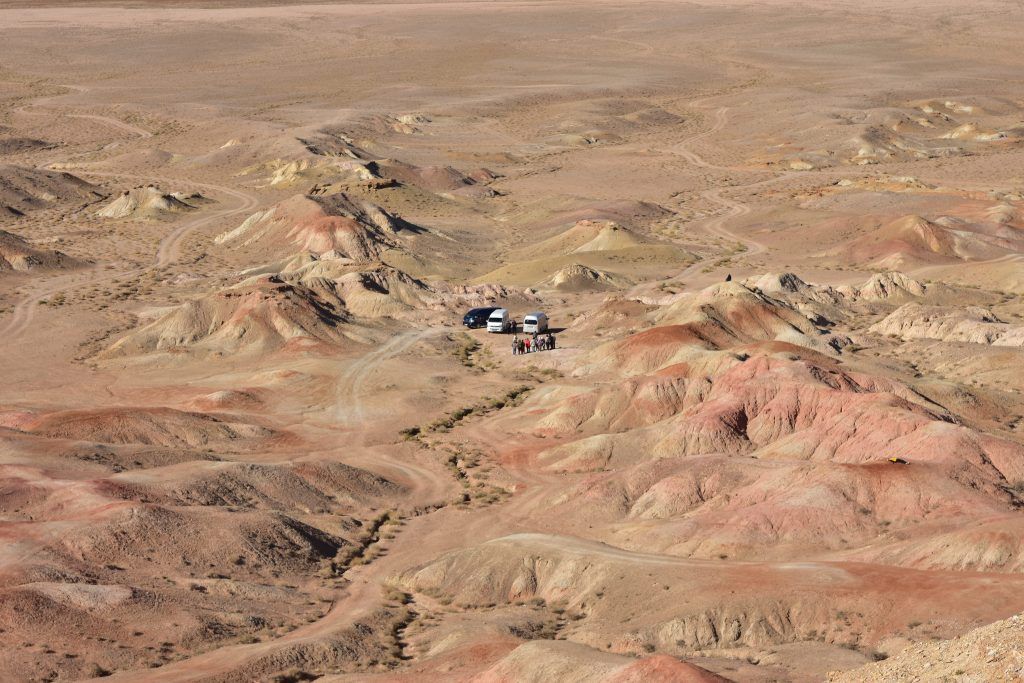
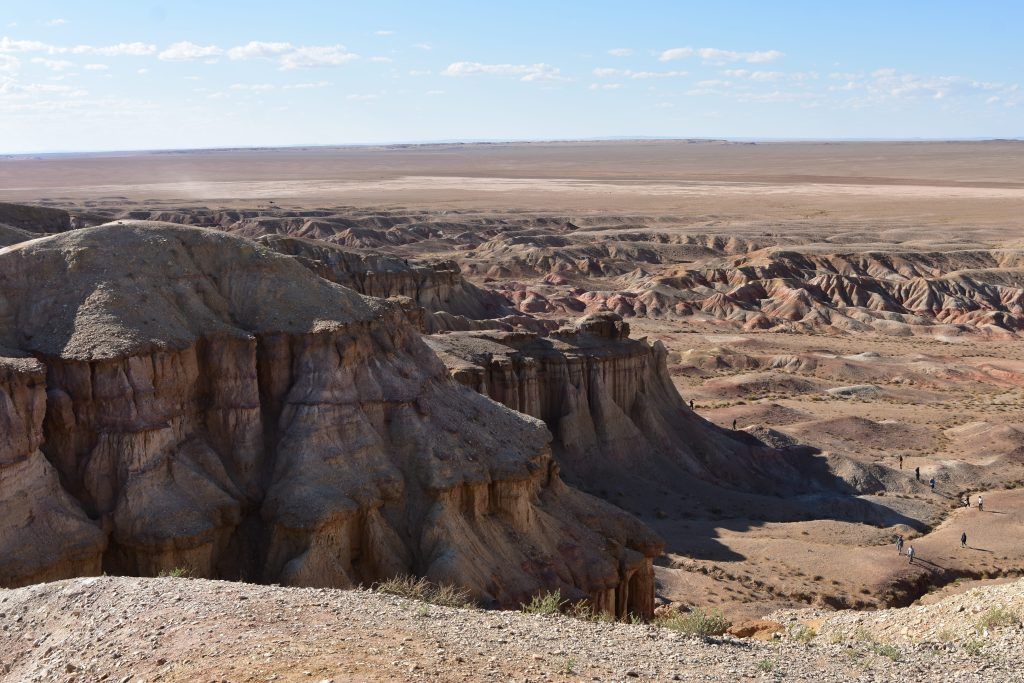
Tsagaan Suvarga, dubbed mini Grand Canyon, is a 60-metre-tall, 400-metre-long cliff formation that was once the floor of an ancient sea. Shaped by erosion, the layers of orange, red, purple and white tell that story in plain sight. From a distance, the cliffs resemble a crumbling ancient city or Buddhist stupa, hence the name.
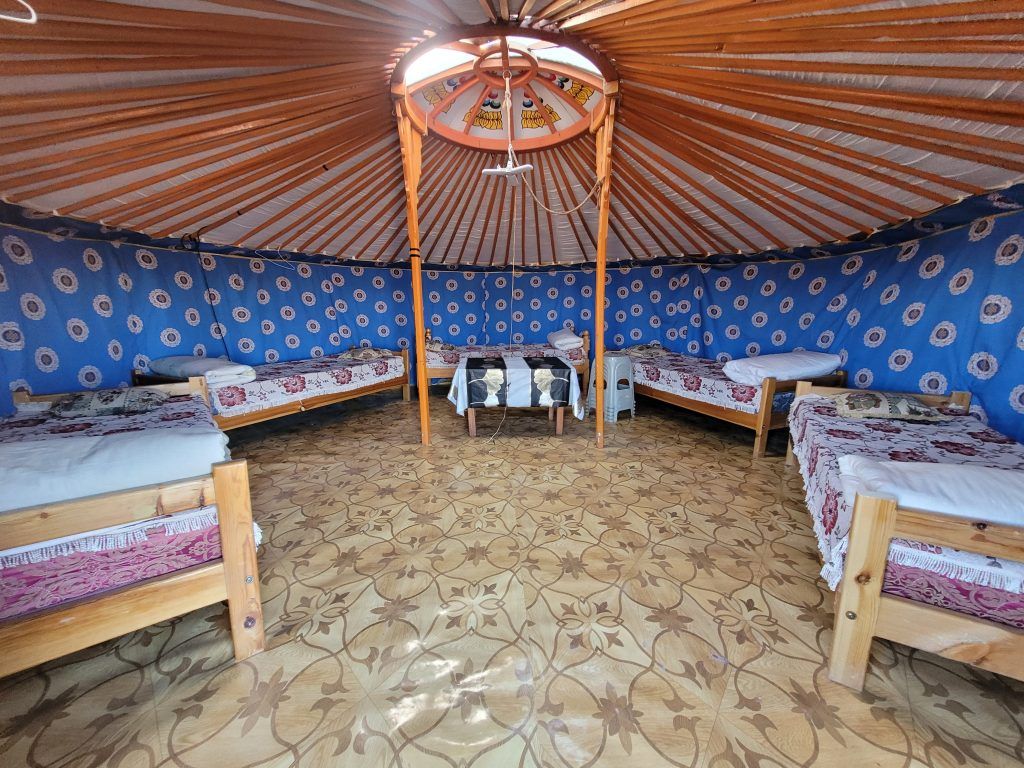
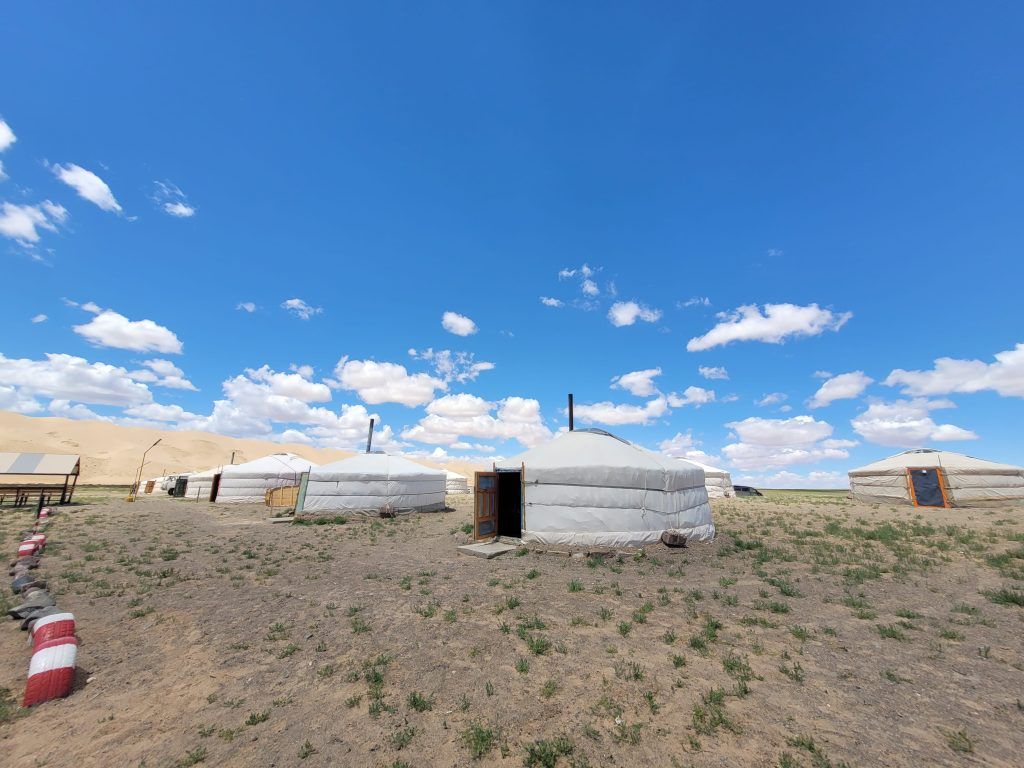
Accommodation: We stayed in a ger camp nearby, with no electricity or showers. The toilets were outhouse toilets, and we thought there would be no running water. But fortunately, we discovered a prefab bathroom that trickled water from the taps! Seems the owners are planning to equip the camp with showers and flushing toilets in the future.
Day 2: Yolyn Am (Vulture Valley)
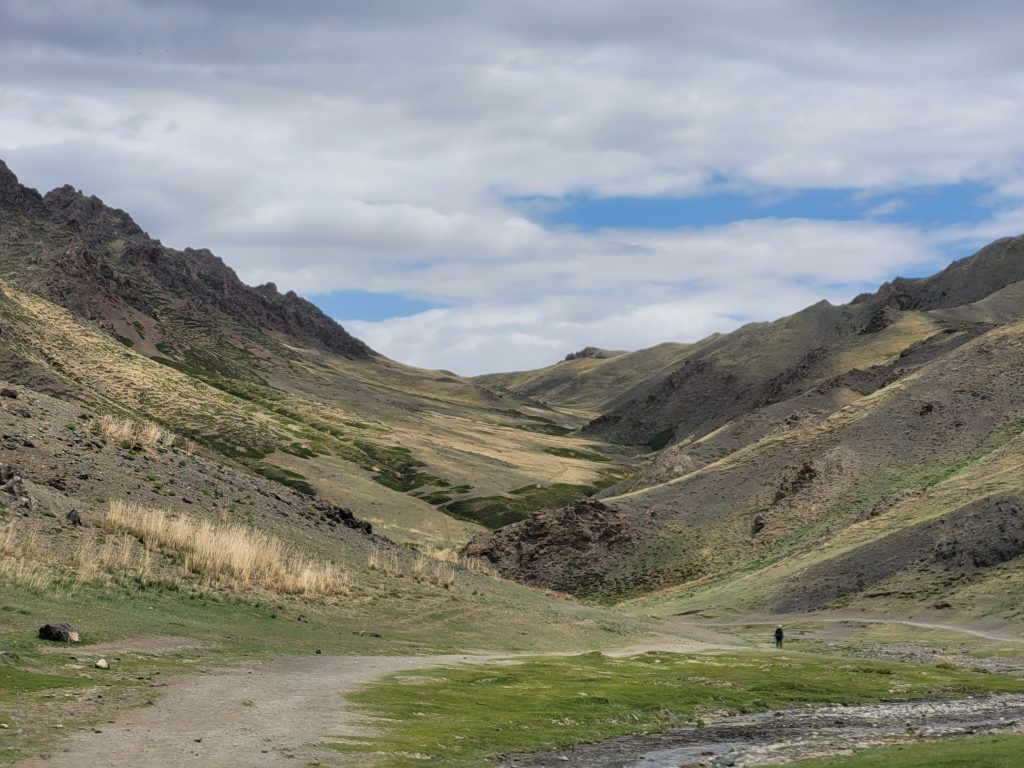
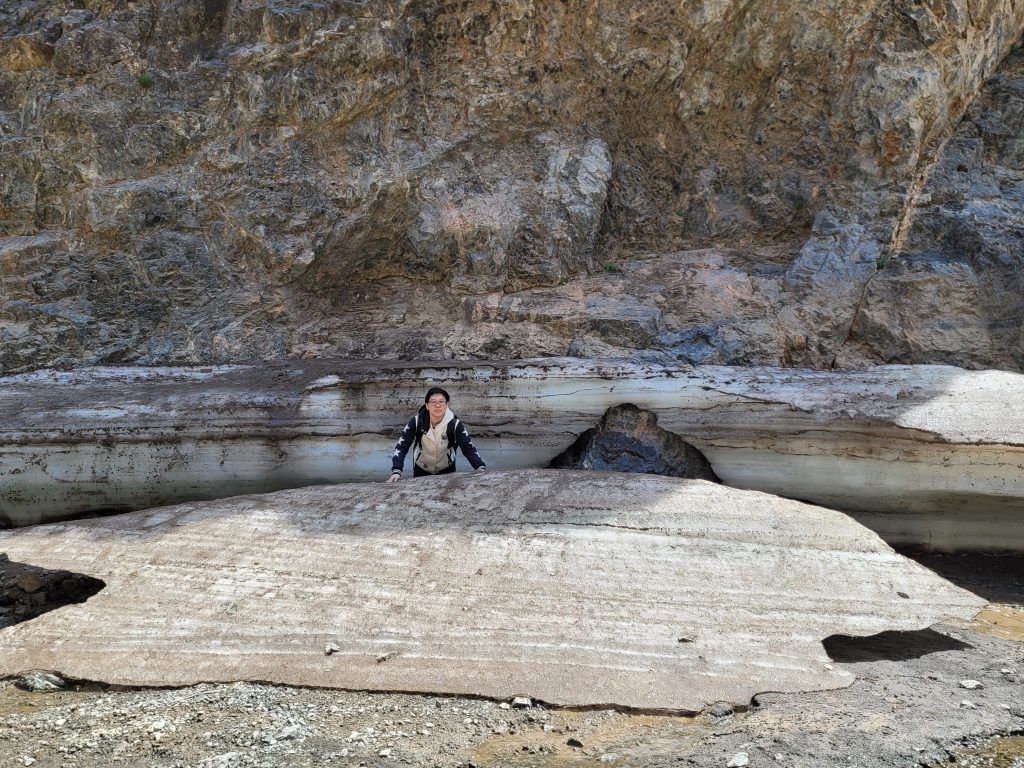
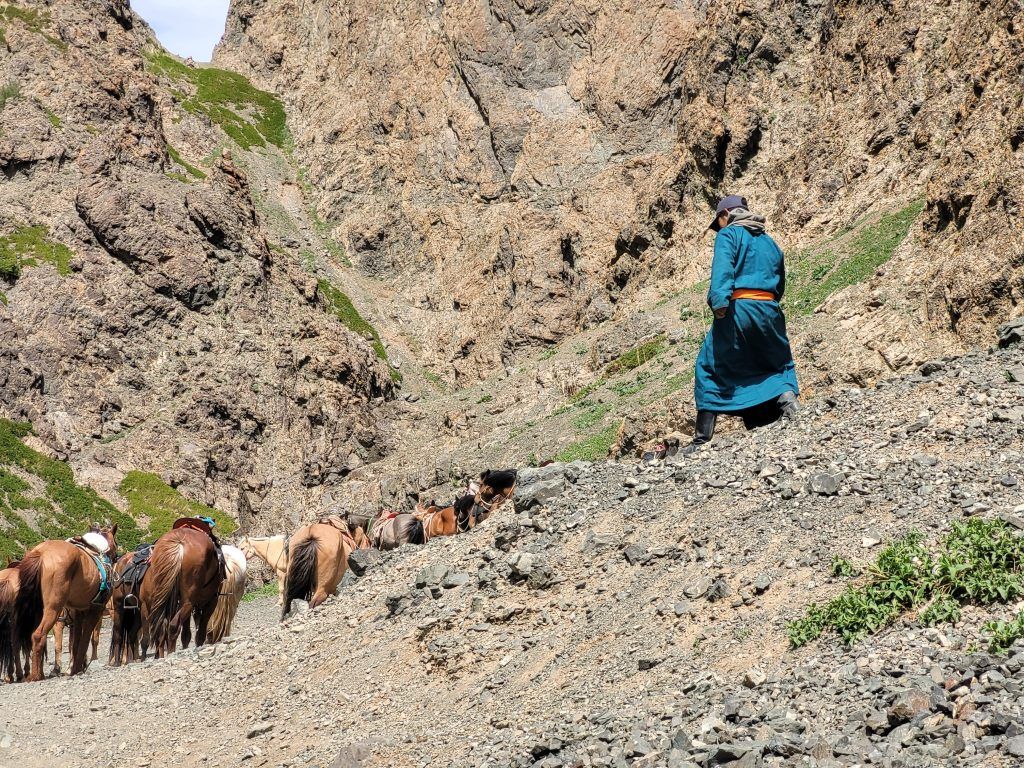
The next day we woke to have breakfast in the kitchen tent before taking a 4 hours drive to Yolyn Am, aka Vulture Valley, inside Gobi Gurvan Saikhan National Park. Despite being in the heart of the desert, the narrow gorge holds a thick ice field for most of the year, the result of a cold microclimate trapped between sheer canyon walls. The walk in is flat and easy, more of a stroll than a hike, but it takes around an hour to reach the depths where the ice remains.
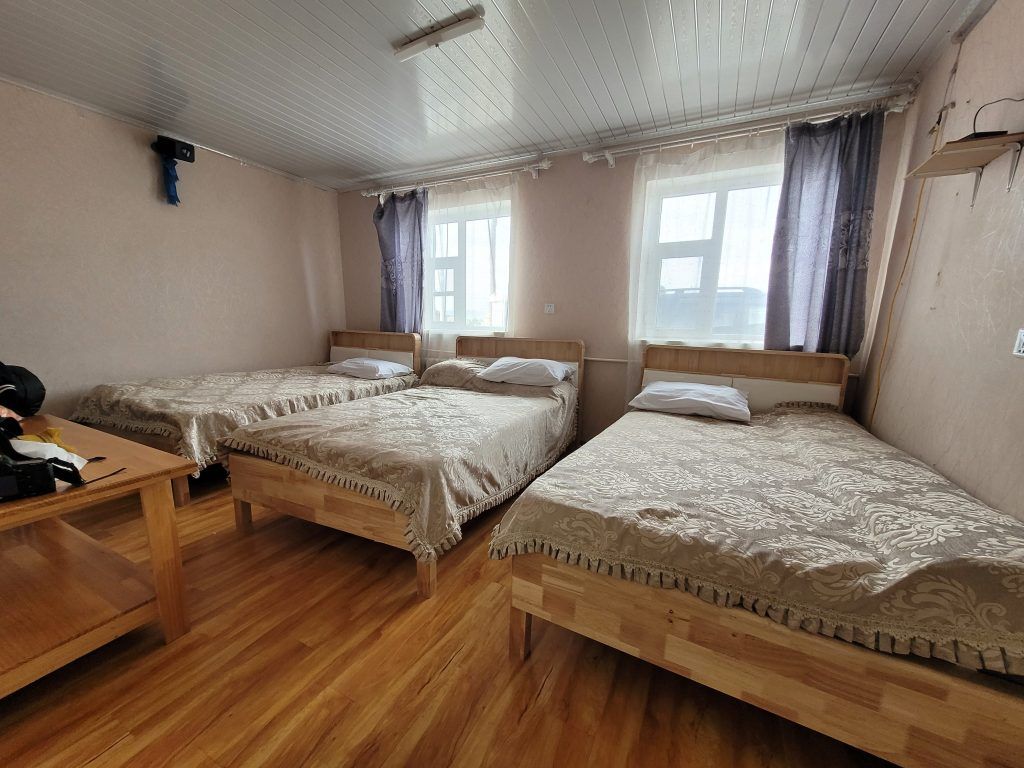
Accommodation: Local motel in the town of Bayalandai. It was a simple room with shared bathroom and shower.
Day 3: Khongoryn Els
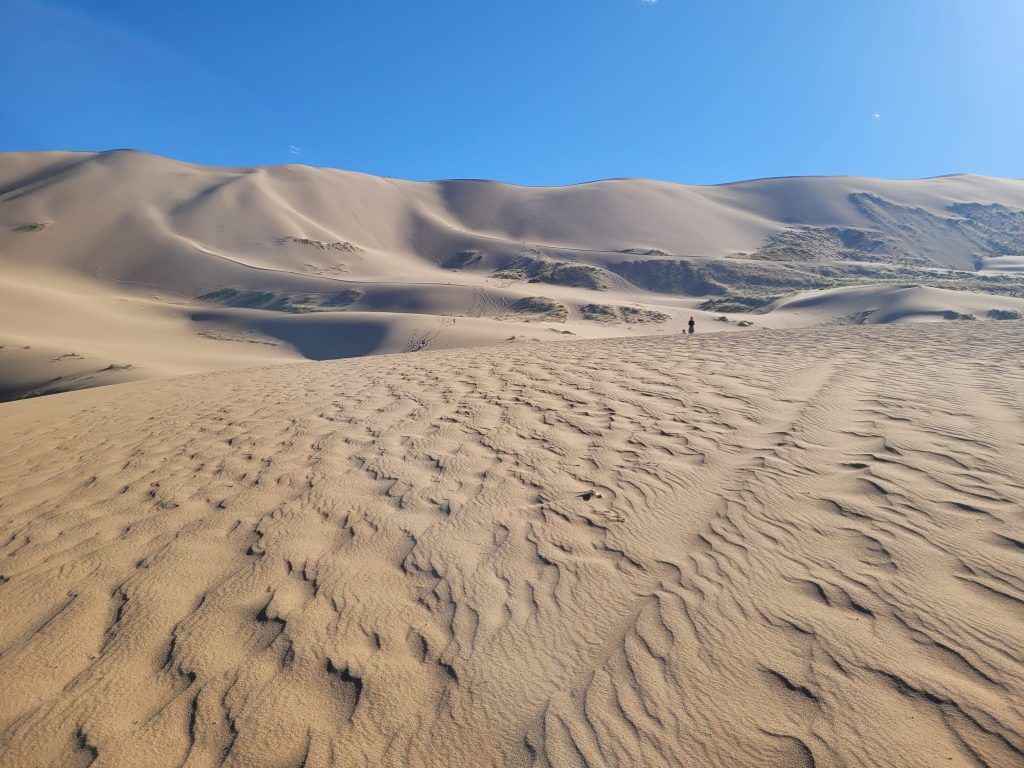
Khongoryn Els was a definite highlight of the trip and what people typically think of when they think of a desert. Stretching over 180km and rising up to 300m above the surrounding plain, they are Mongolia’s biggest sand dunes.
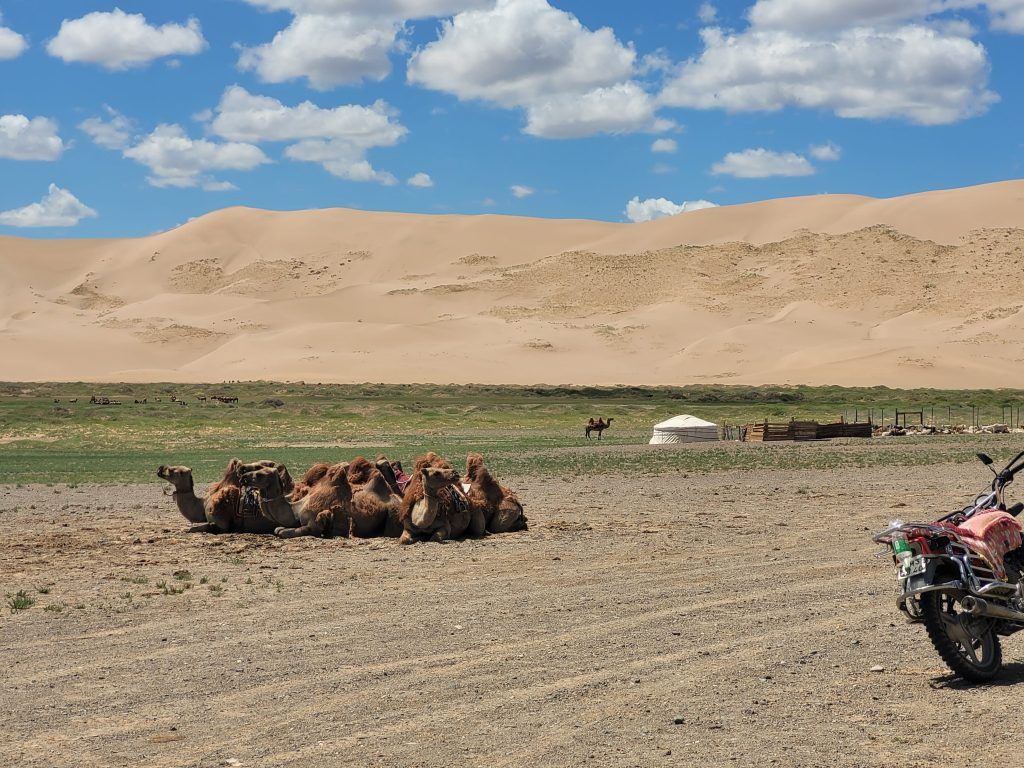
We rode a camel for 30 minutes from our ger camp to the base of the sand dunes, where the climb to the ridge begins. It took us around an hour to get up there and it was brutal in soft, shifting sand. Way more exhausting than a normal hike up a mountain on solid rock. We reached the top around 8pm in time for the sunset at 9pm, but it was painfully windy up there so we descended before the sun had fully set. The descent was much easier, just sliding down sand, and only took around 10 minutes.
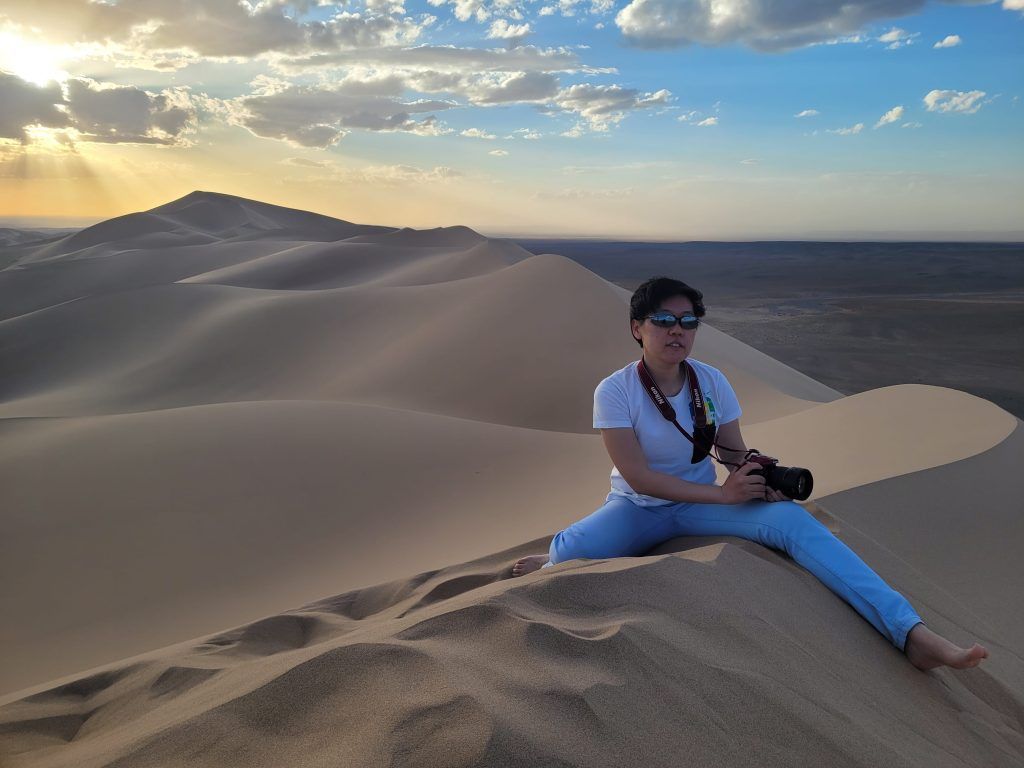
If the wind conditions are right, the dunes also “sing” — deep resonant hum, something between distant thunder and a low-flying aircraft.
Accommodation: Ger camp at base of sand dunes. This was by far the most touristy of the three ger camps we stayed in, as there were showers, flushing toilets, and even outlets in our gers to charge devices. The stars were absolutely amazing at night.
Day 4: Bayanzag (Flaming Cliffs)
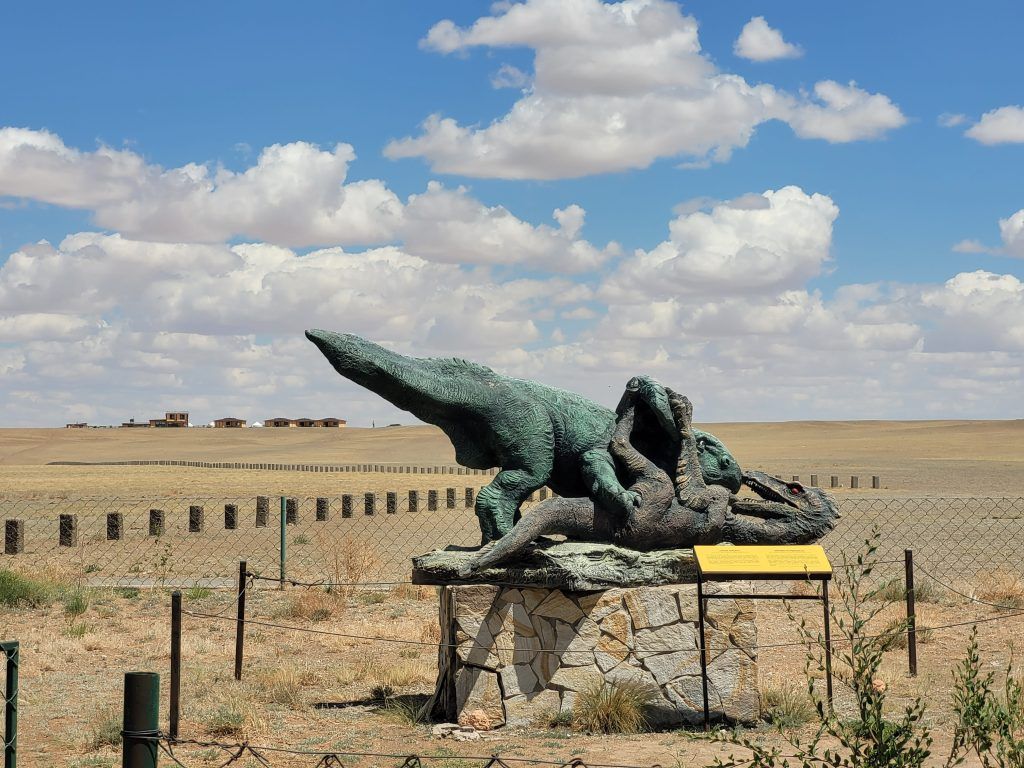
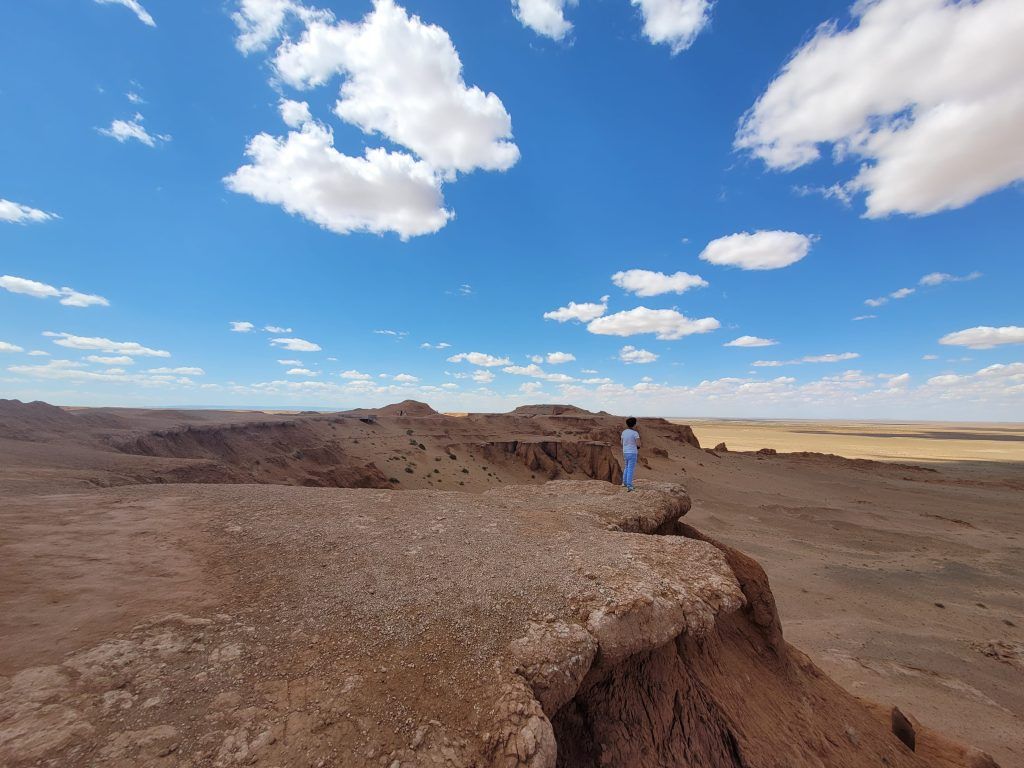
Bayanzag, also know as the Flaming Cliffs, is where American explorer Roy Chapman Andrews discovered the world’s first dinosaur eggs in 1923, along with various dinosaur fossils. The rock exudes a deep red-orange colour, especially at sunset, hence the nickname.
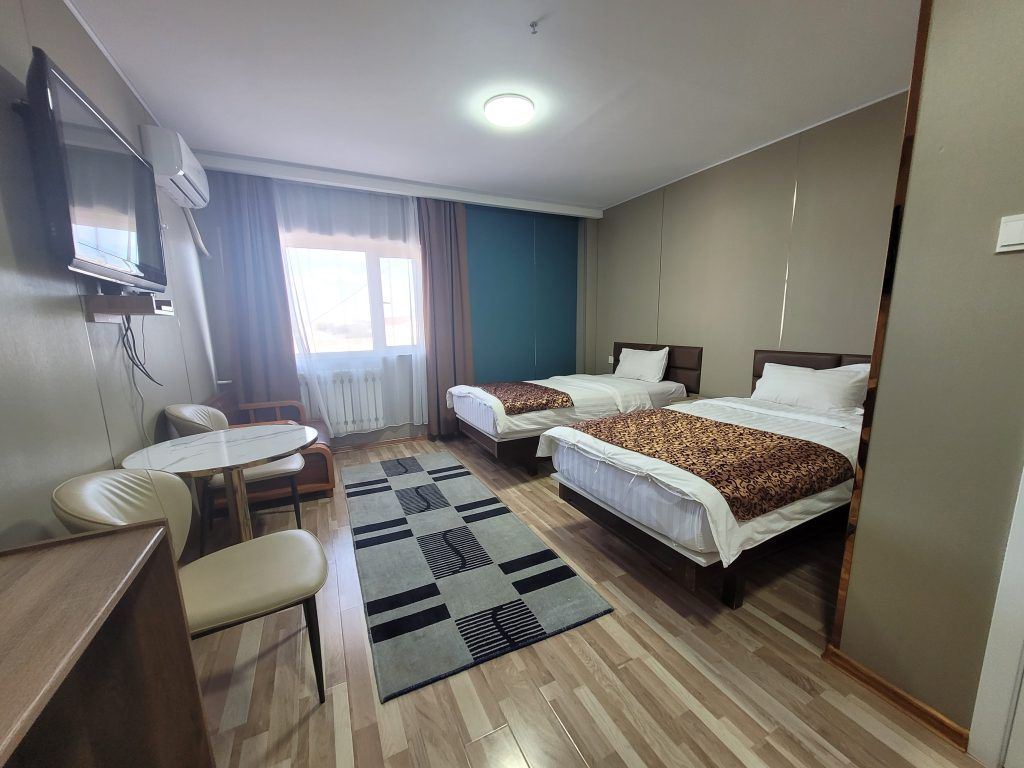
Accommodation: Hotel in Dazalangdad, the biggest city in the southern Gobi region. This was by far the most cushy accommodation in the roadtrip, and our guide even took us to eat Korean food as a break from all the lamb.
Day 5: Baga Gazriin Chuluu
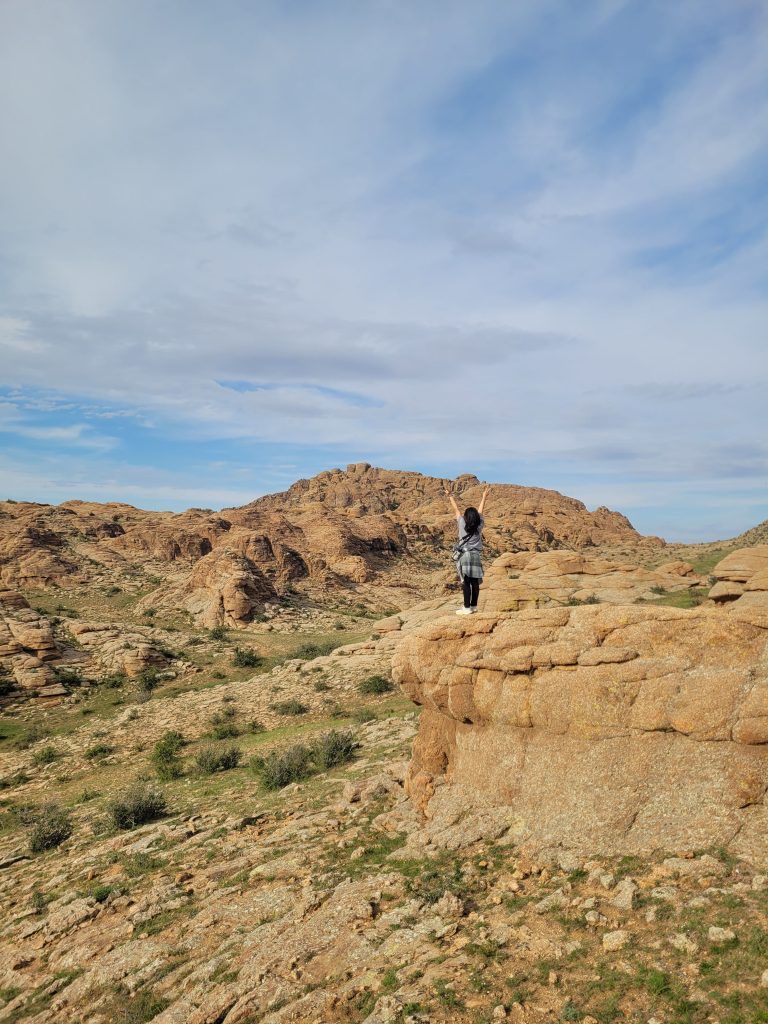
The final full day in the Gobi took us to Baga Gazriin Chuluu, a granite rock formation rising abruptly from the flat steppe — towers and outcrops carved by wind over hundreds of millions of years. Stretching 15 km in length and 6 km in width, with its highest peak rising to 1,768 meters above sea level.
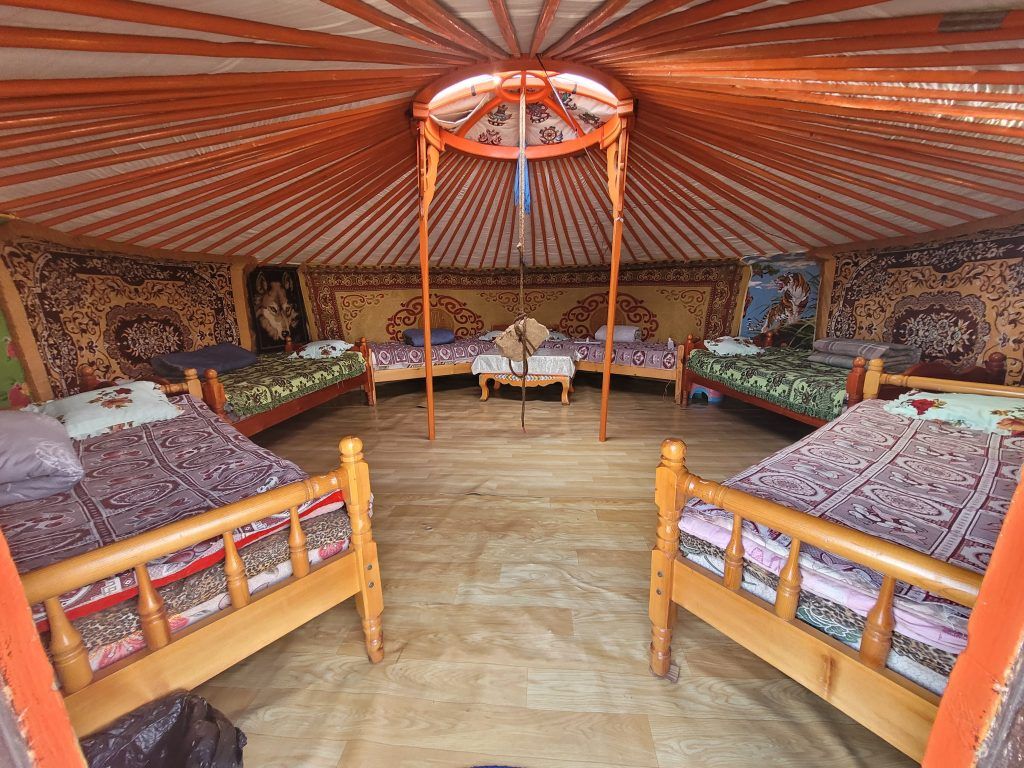
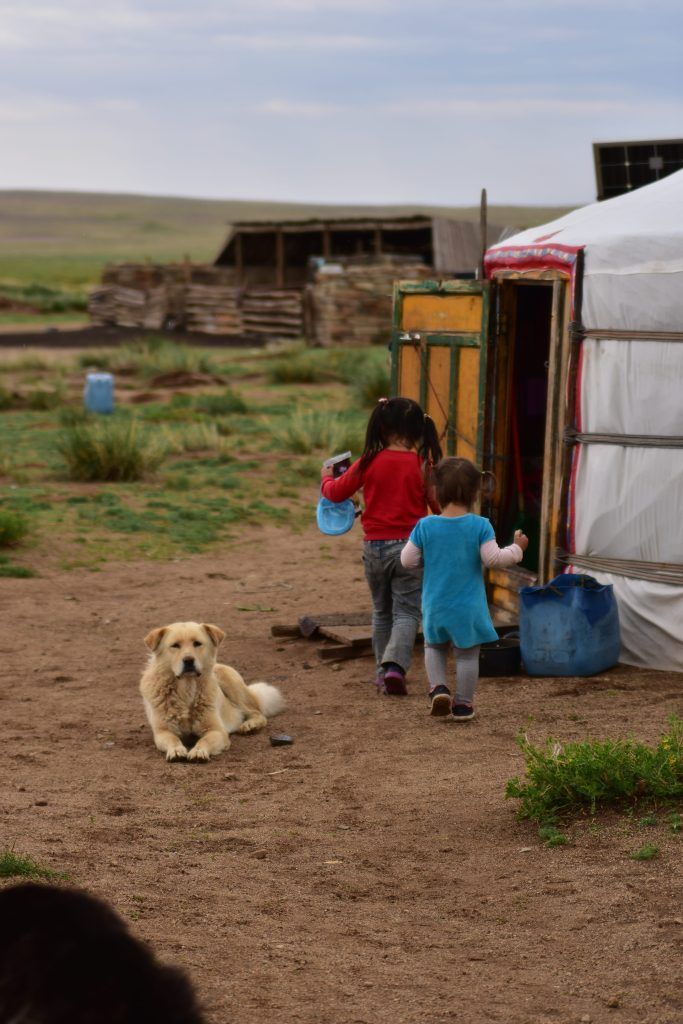
Accommodation: The most hardcore ger camp of them all. Run by a sheep herding family, it was not touristy at all as we were the only guests there. There was no electricity, running water, or even mobile coverage. The toilets were outhouse toilets, but surprisingly clean and okay. Dinner was a very gamey bowl of lamb noodles, which we struggled to get down. I gave half of mine to the dogs.
Day 6: Back to Ulaanbaatar
The final day was just a return drive to Ulaanbaatar. We departed from the ger camp at around 9:30am, and drove 3 hours to a lunch spot. After taking a break there for around an hour, we hit the road again and was dropped off at our hotel in UB around 4pm.
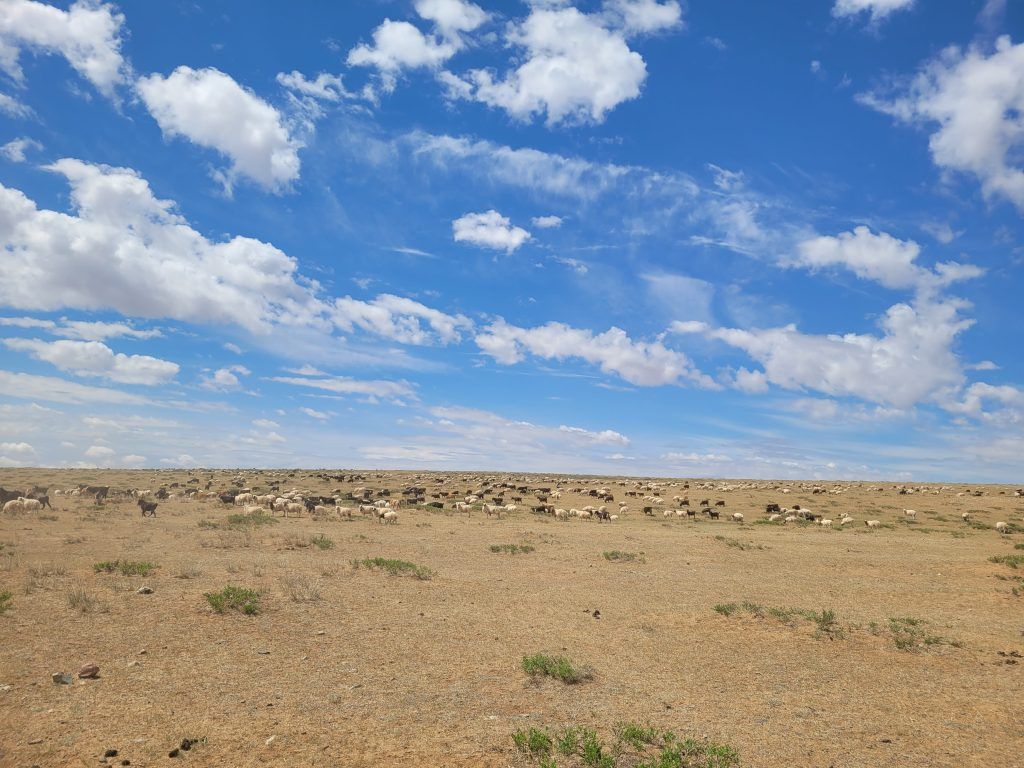
Given the vastness of South Gobi, everyday consisted of hours of driving. I don’t mind long car rides (slept a lot actually) and the scenery was never boring, but it something to keep in mind if you plan to embark on a similar road trip. The most authentic ger camps are rather basic, so bring a sleeping bag and be prepared to rough it out at times. The beds were surprisingly comfortable and I slept well in the peaceful quiet of remote Mongolia. Living in Tokyo, it was refreshing to detox from society, modern conveniences and even the internet at times.
If you are interested in reading more about my Mongolia adventures, also check out the post on What to Eat in Mongolia.
One thought on “Gobi Desert Tour: All the Highlights in 6 Days, 5 Nights in Mongolia”